What We Learned at the STAAR Workshop
A Recap of "Beyond the Falling STAAR" at FUMC Denton
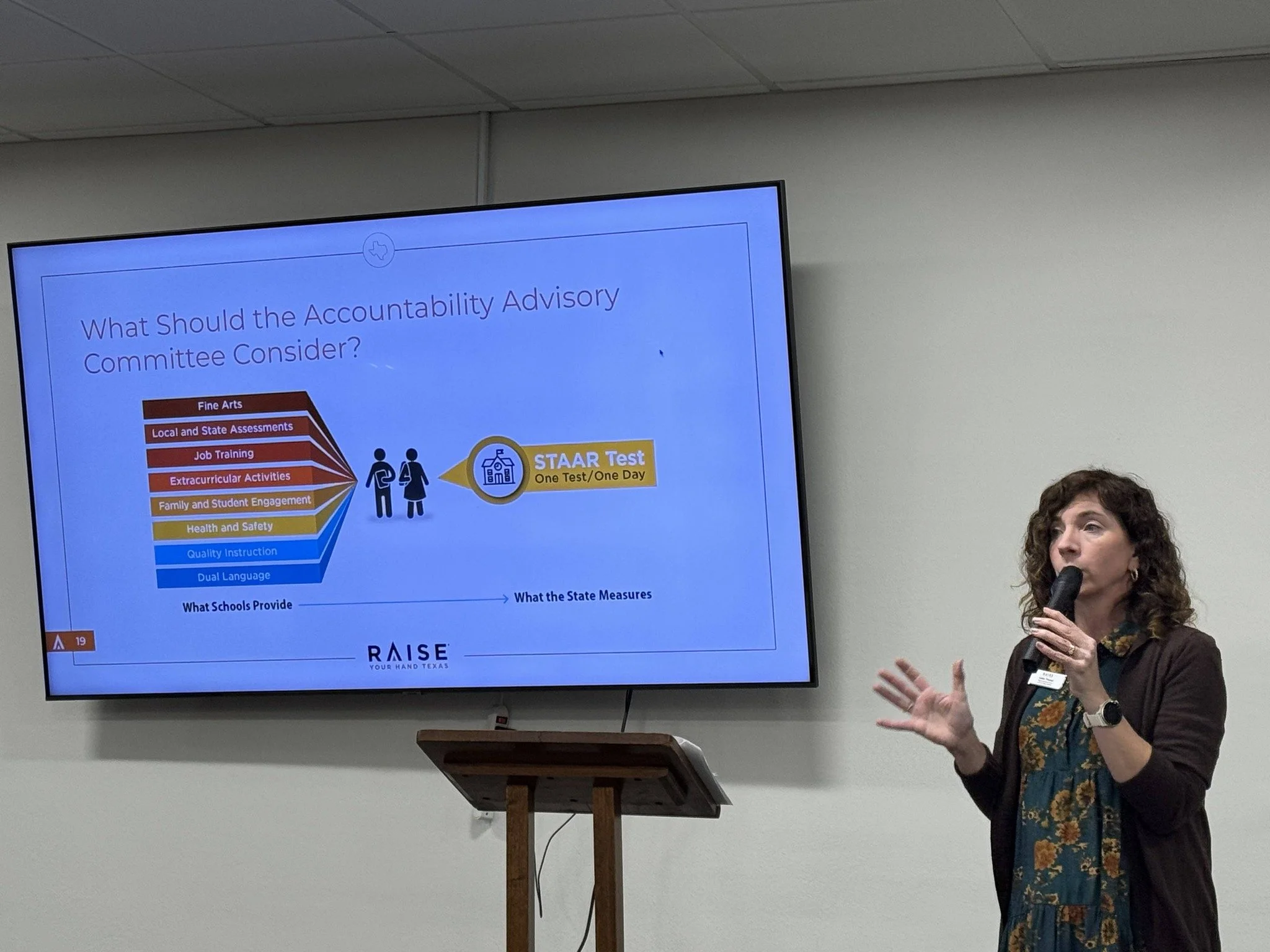
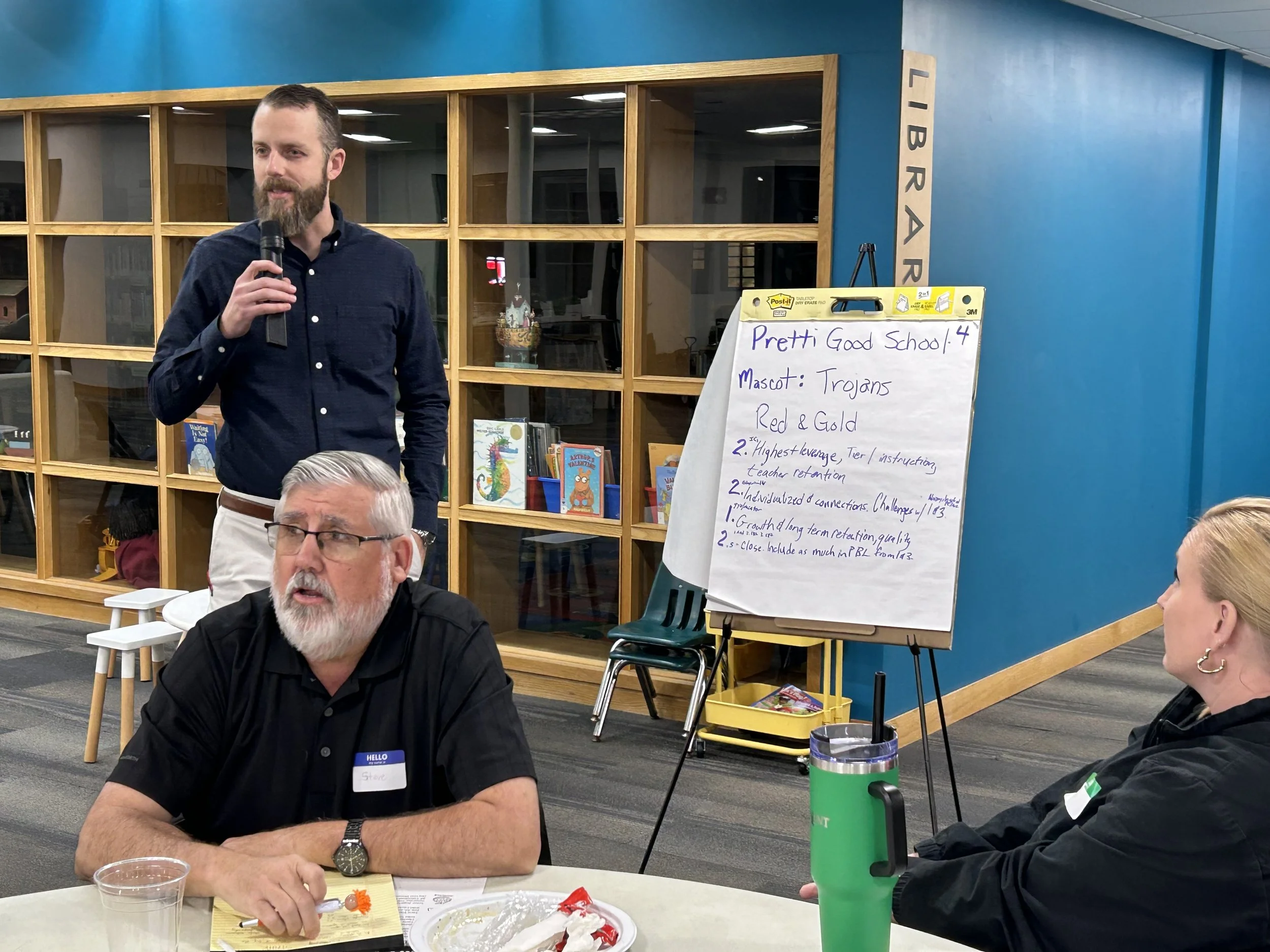
Kelley Thomas leading a presentation at Beyond the Falling STAAR
On Thursday, February 5, Miller Center was buzzing with energy as community members gathered for Beyond the Falling STAAR: A Workshop on How Schools Are Graded led by Kelley Thomas, Regional Advocacy Director for Raise Your Hand Texas.
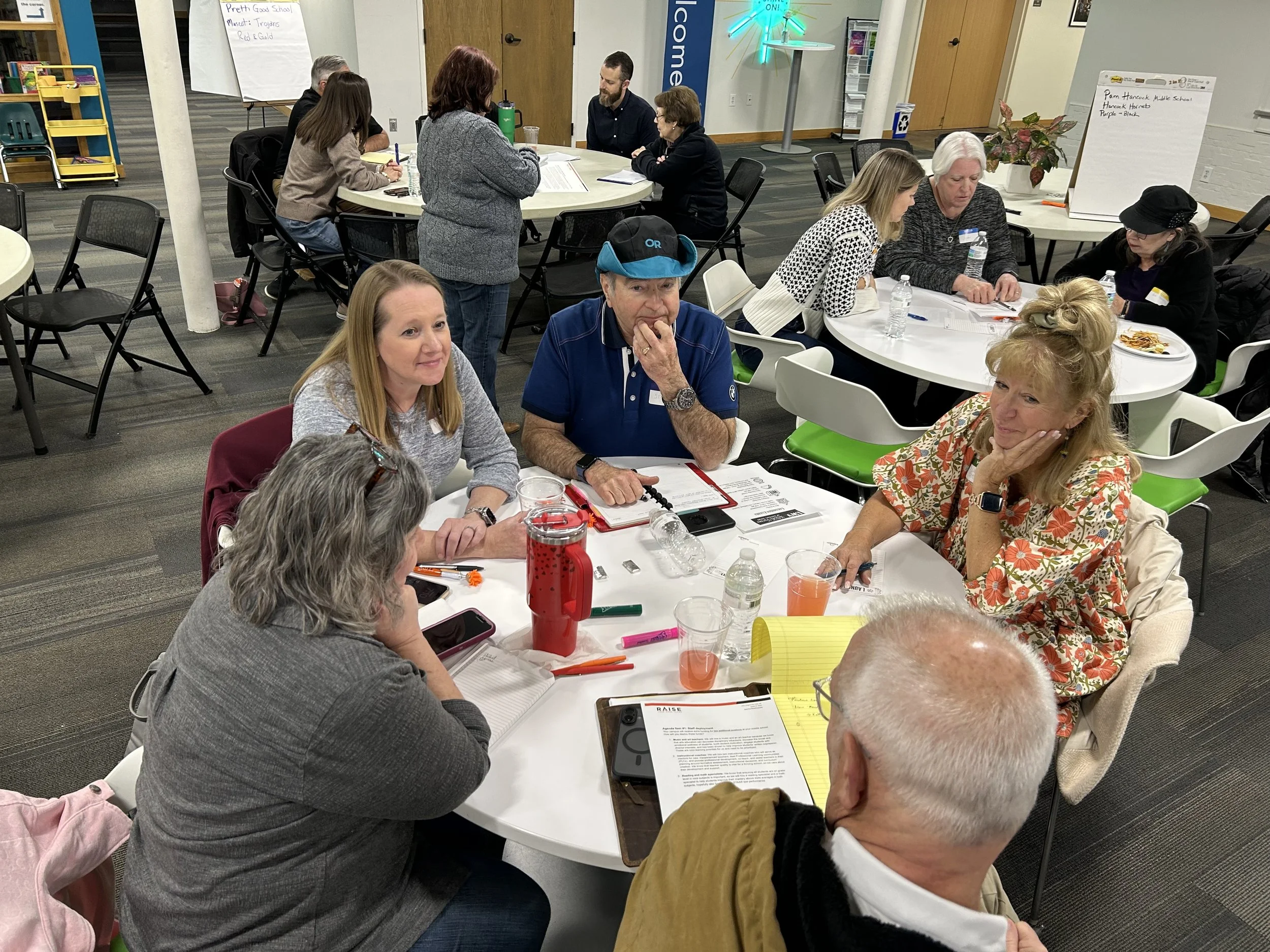
The workshop wasn't your typical presentation. Attendees were divided into teams, each tasked with making a series of real decisions for a new middle school they were responsible for launching. Teams debated, collaborated, and strategized. Then came the reveal.
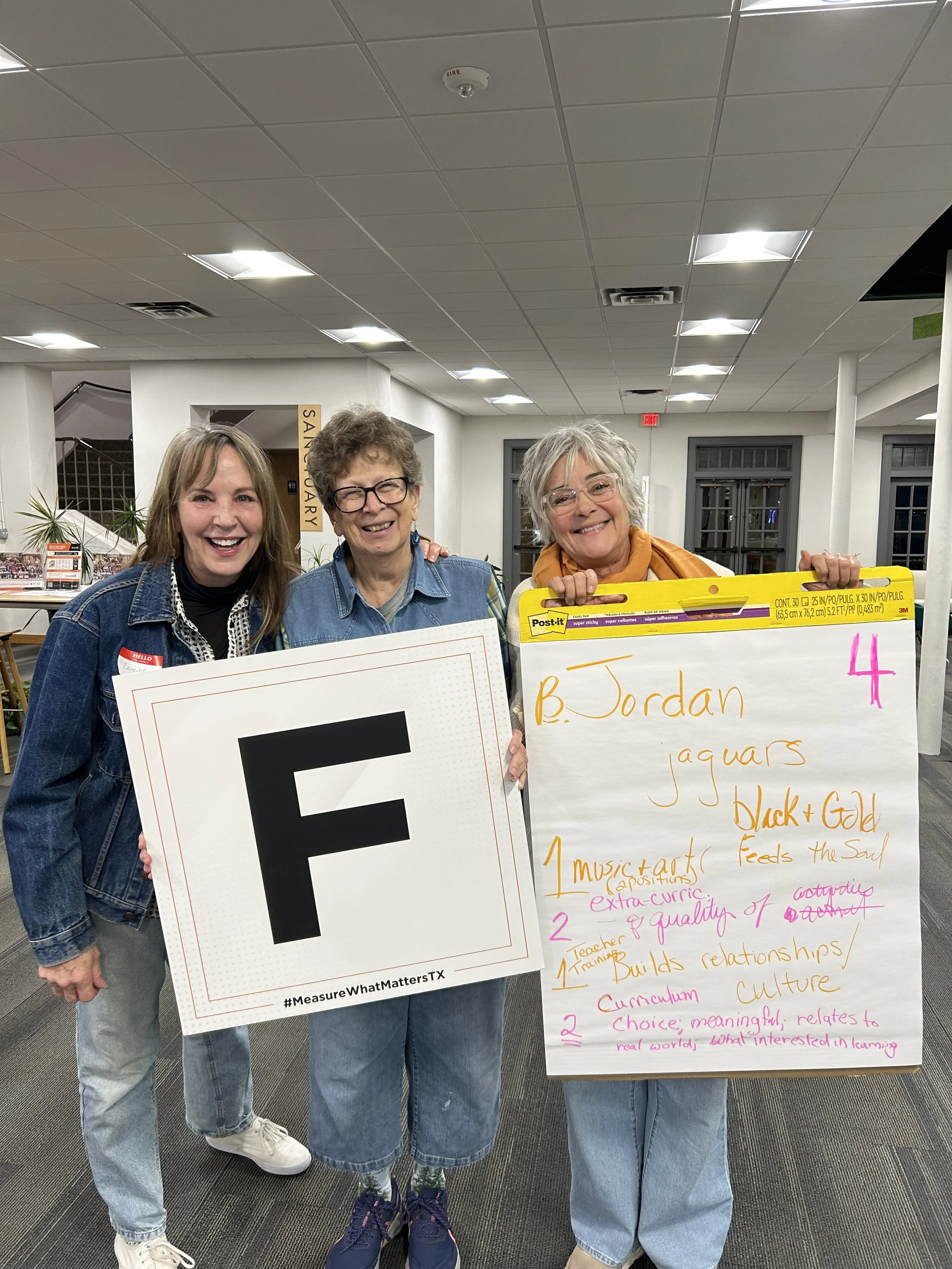
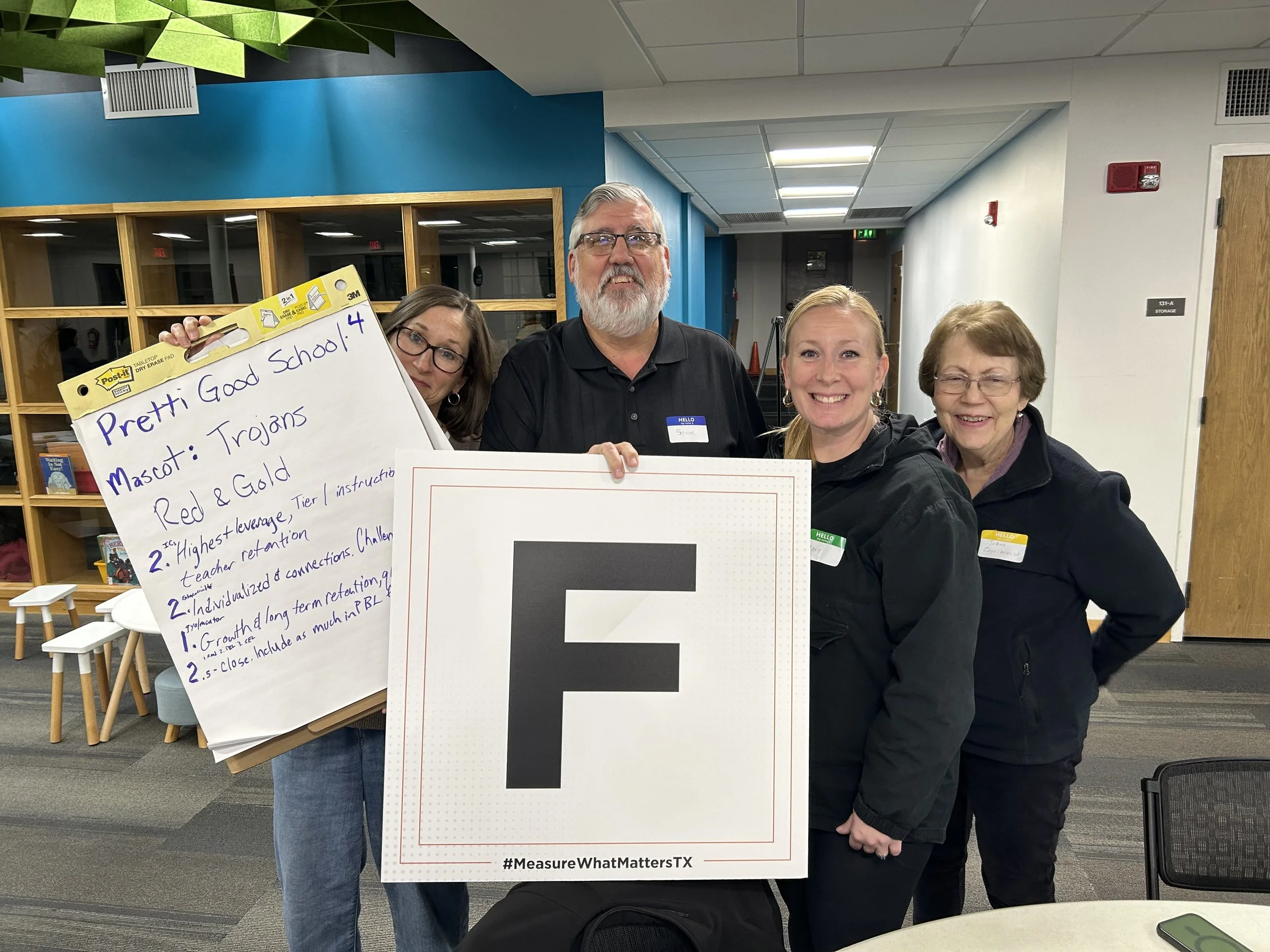
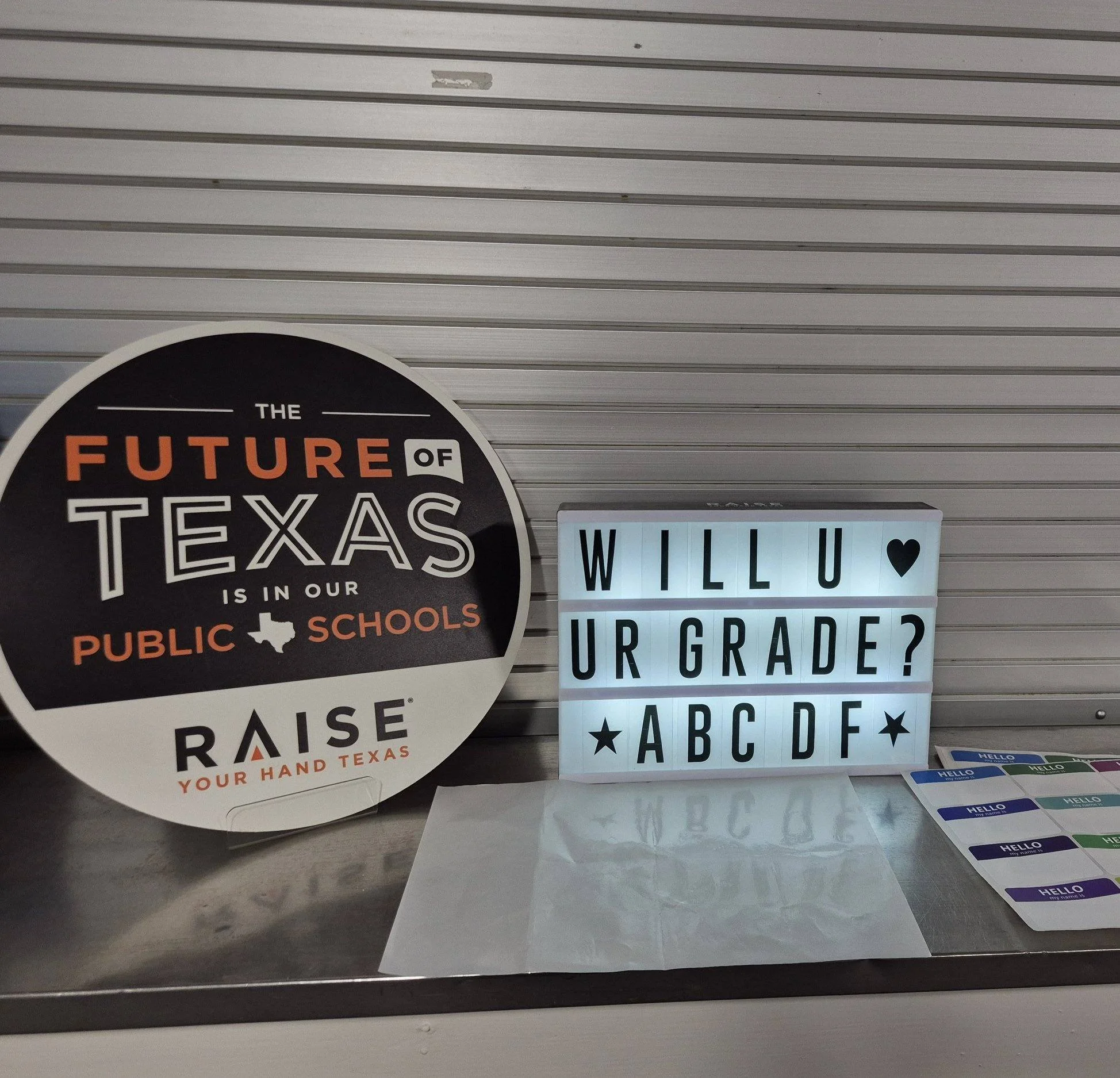
Each "school" was assigned a STAAR rating based on their decisions—and on a random roll of the dice that determined the income level of the community their school served. The result was striking: three out of five schools received an F rating. And in almost every case, the deciding factor wasn't the decisions the teams made. It was income.
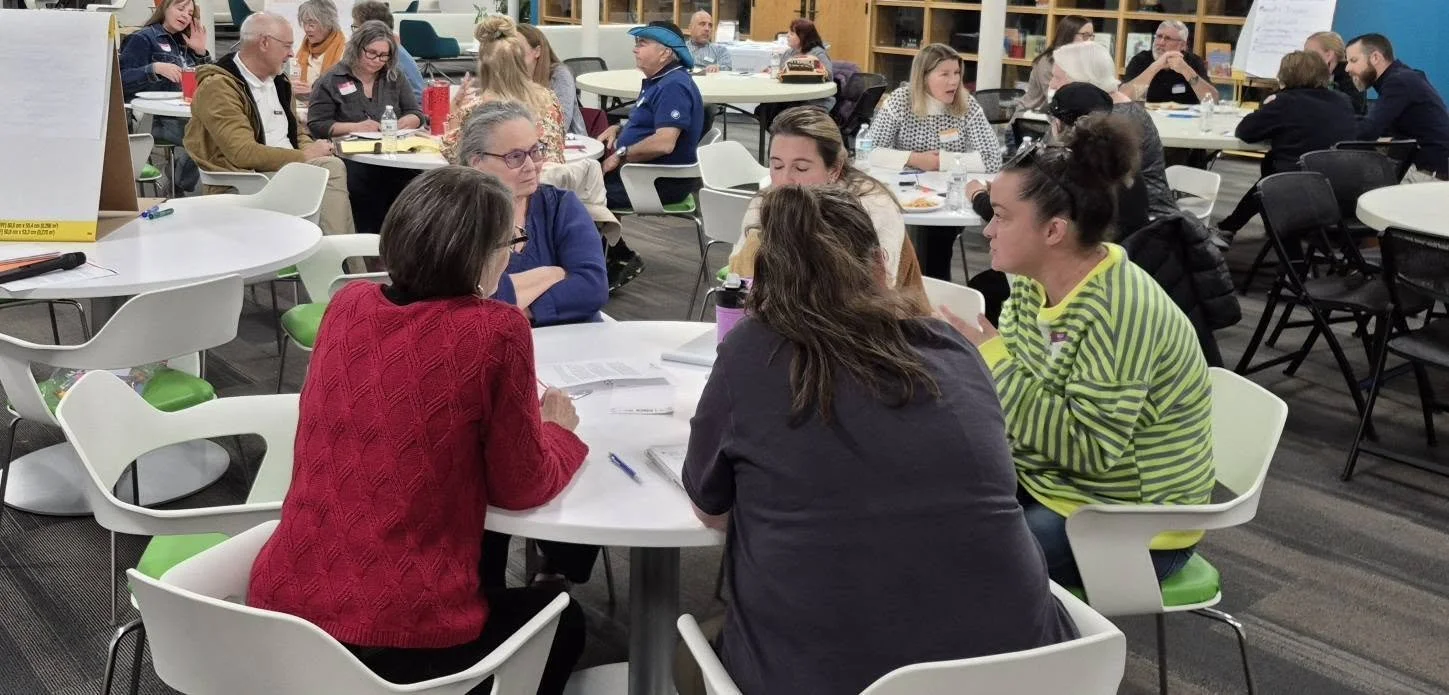
Participants gathered at tables making decisions for their assignments.
The exercise was designed to illuminate a timely and important issue. In 2025, the Texas Legislature eliminated the STAAR test (the State of Texas Assessments of Academic Readiness) with significant changes set to take effect in the 2027–28 school year. This standardized test, given to public school students from grades 3 through high school, has long been the primary measure of academic achievement against state standards.
With that system now changing, questions remain: What does school accountability look like going forward? Who gets to define success? And what do the old ratings actually tell us—or fail to tell us—about the schools and communities they label? While the workshop didn't answer all of those questions, it gave participants a visceral, memorable way to start asking them.
Attendees left describing the evening as both informative and fun and several participants asked how they could stay connected and learn about future events like this one. If that sounds like you, contact Deb to learn more about our continued work. Conversations like this one are worth having—and worth continuing.